



Matilda
timeline
Matilda timeline on autism
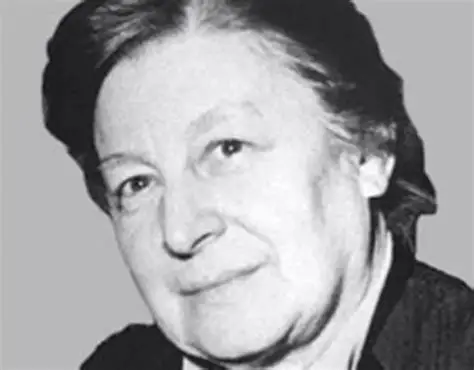
🧩 Grunya Efimovna Sukhareva (1891–1981)
First clinical description of autism (1925), long overlooked by Leo Kanner and Hans Asperger.
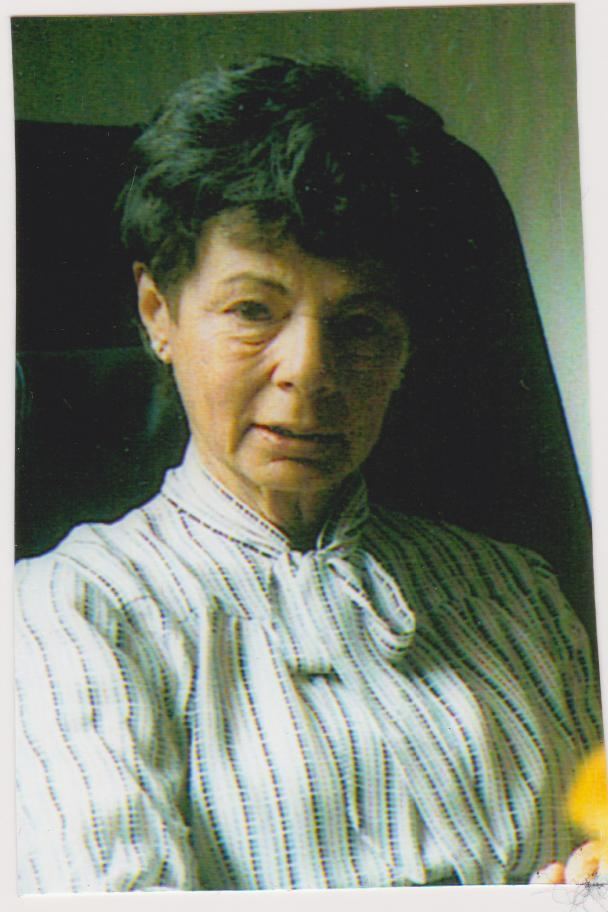
🧩 Beate Hermelin (1919–2007)
Pioneer in cognitive research on autism with Neil O’Connor. Her work, which predates Hans Asperger’s, was minimised.
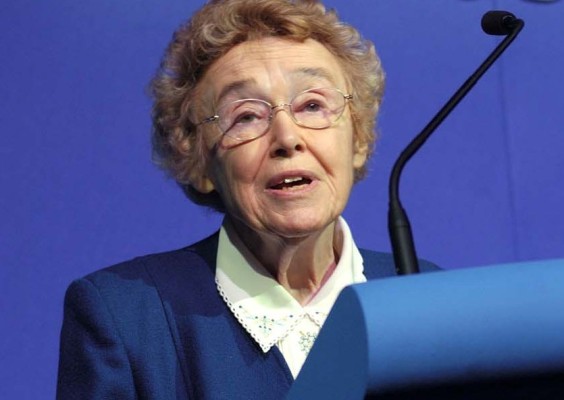
🧩 Lorna Wing (1928–2014)
Introduced the concept of the autism spectrum and popularised Asperger’s syndrome. Her major role in the recognition of autism was minimised by men.
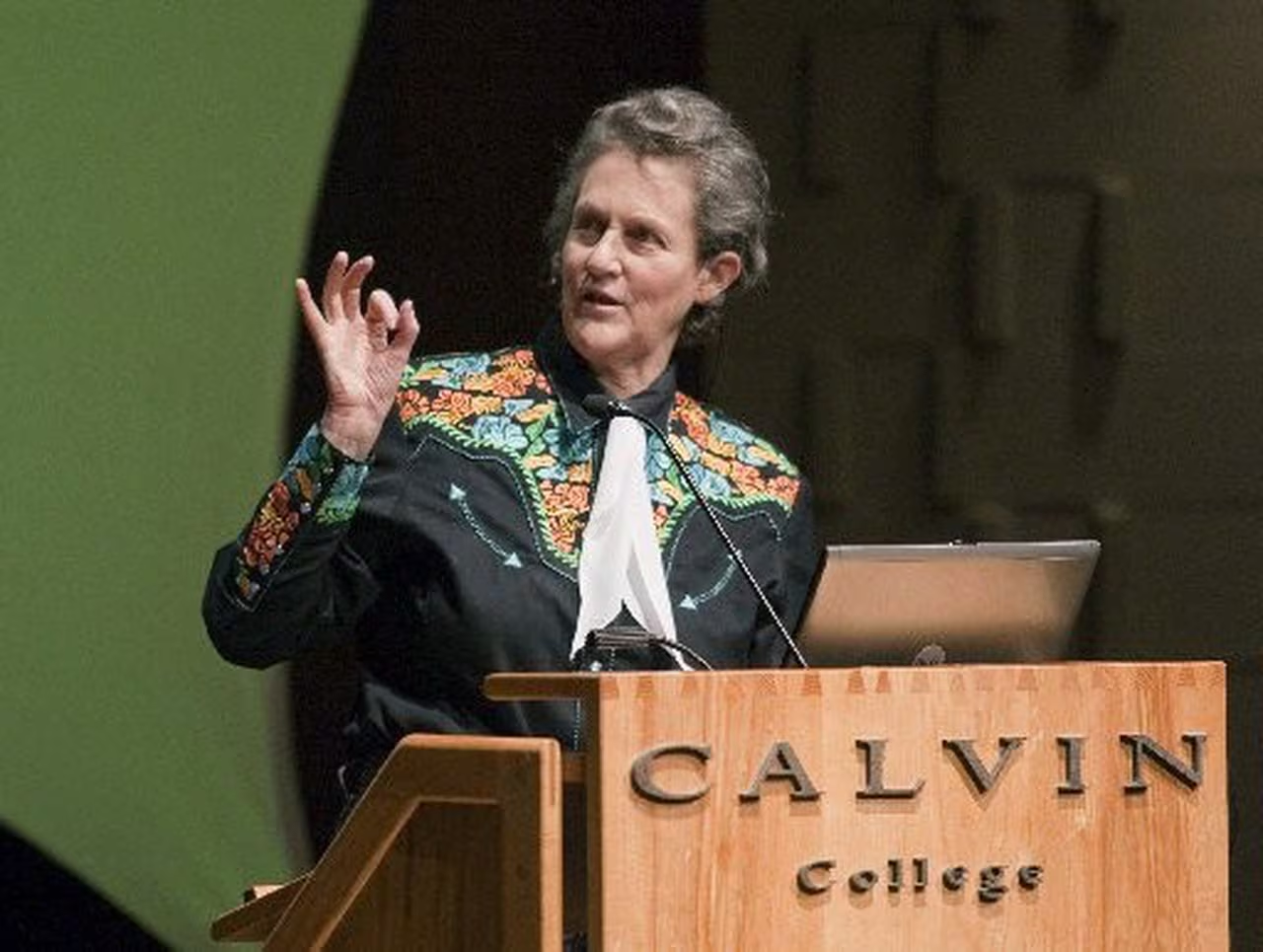
🧩 Temple Grandin (born 1947)
Her contributions are often seen as “personal testimonies” rather than scientific contributions, despite their immense practical and theoretical value.
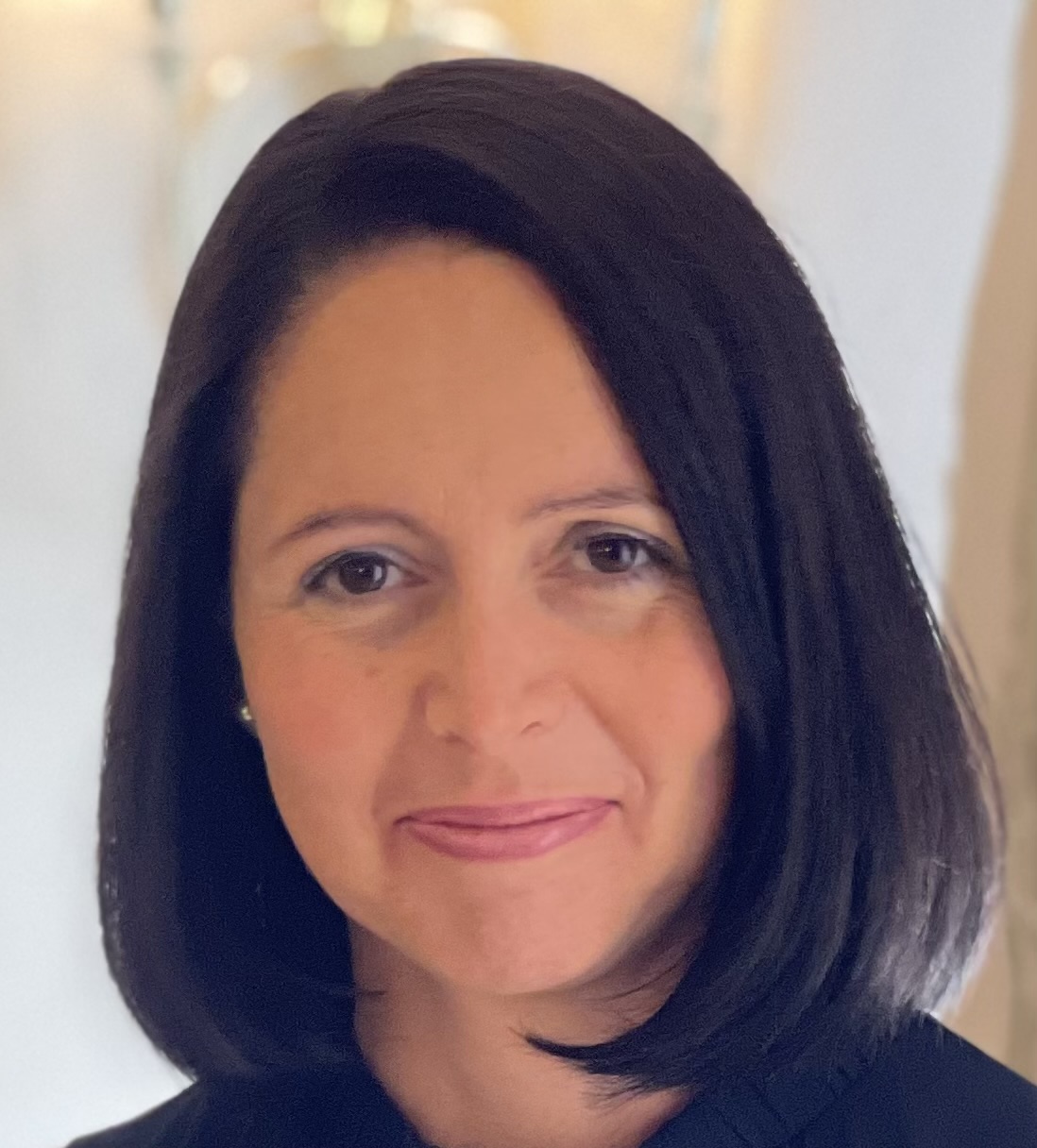
🧩 Michelle Dawson
(born 1961)
Canadian autistic researcher, advocate for a different view of autism (notably critical of ABA). Long dismissed as an “activist”, her work is now widely recognised.
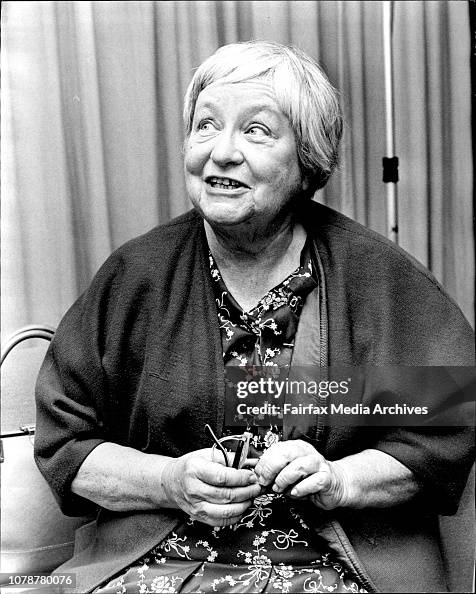
🧩 Marianne L. Frostig (1906–1985)
Research on perceptual-motor disorders in autistic and disabled children. Too often forgotten in favour of major approaches.
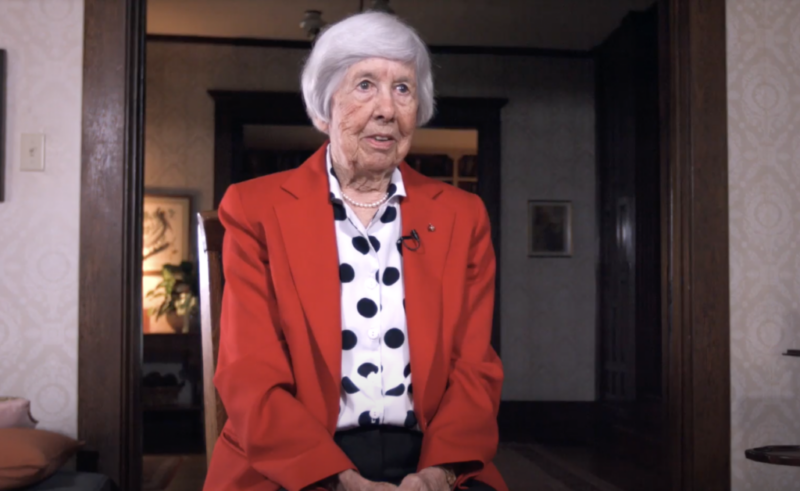
🧩 Ruth Christ Sullivan (1924–2021)
Co-founder of the National Society for Autistic Children (later Autism Society of America) and mother of an autistic child. Pioneer in advocacy, but her role often reduced to that of a “campaigning mum”.
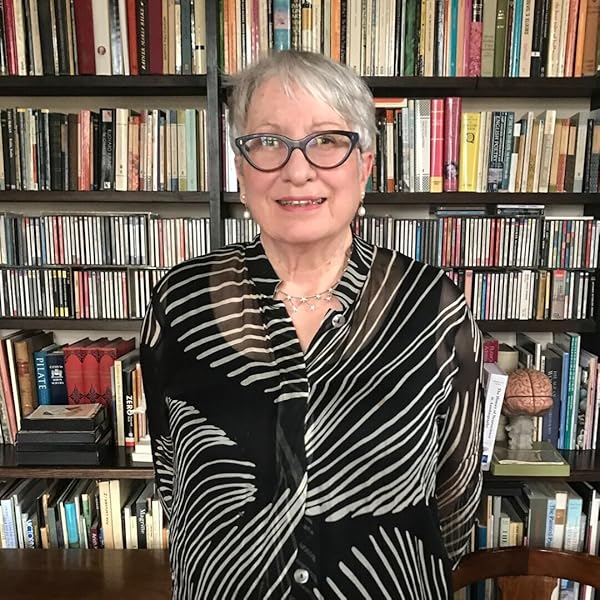
🧩 Uta Frith (born 1941)
German psychologist, cognitive research on autism (central coherence theory, theory of mind). Her contributions are sometimes attributed to Simon Baron-Cohen or Alan Leslie.
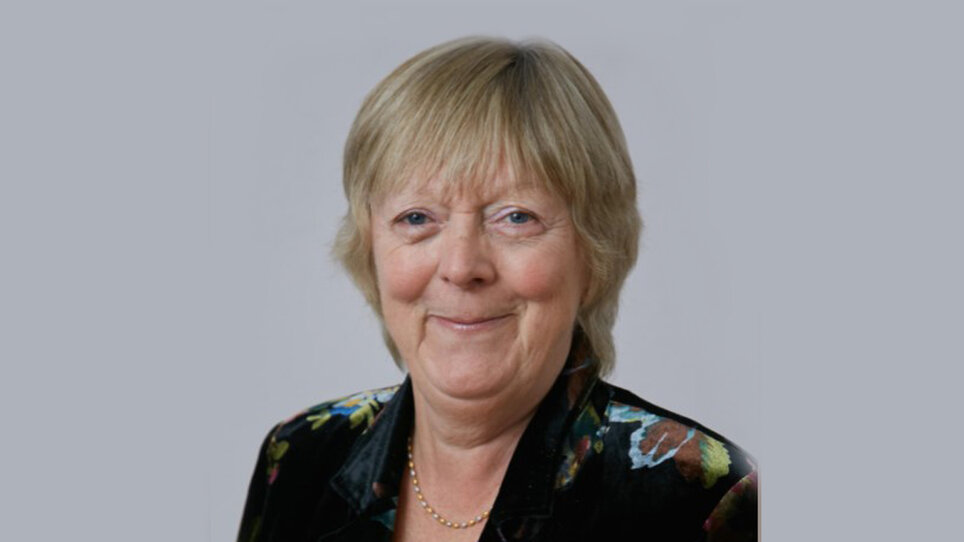
🧩 Judith Gould
Wing’s collaborator, co-developer of Wing’s Triad and diagnostic tools. Her role is often overshadowed by Lorna Wing’s.
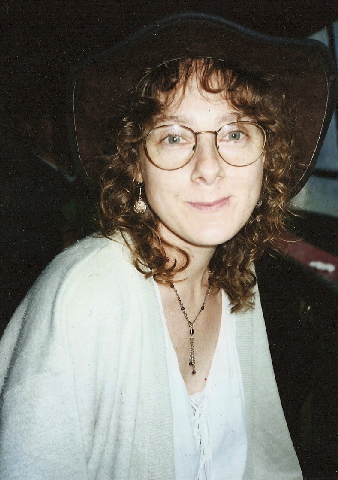
🧩 Donna Williams (1963–2017)
Author of Nobody Nowhere, pioneer of autistic narratives. Her autistic experience rarely recognised as a major method of understanding.